
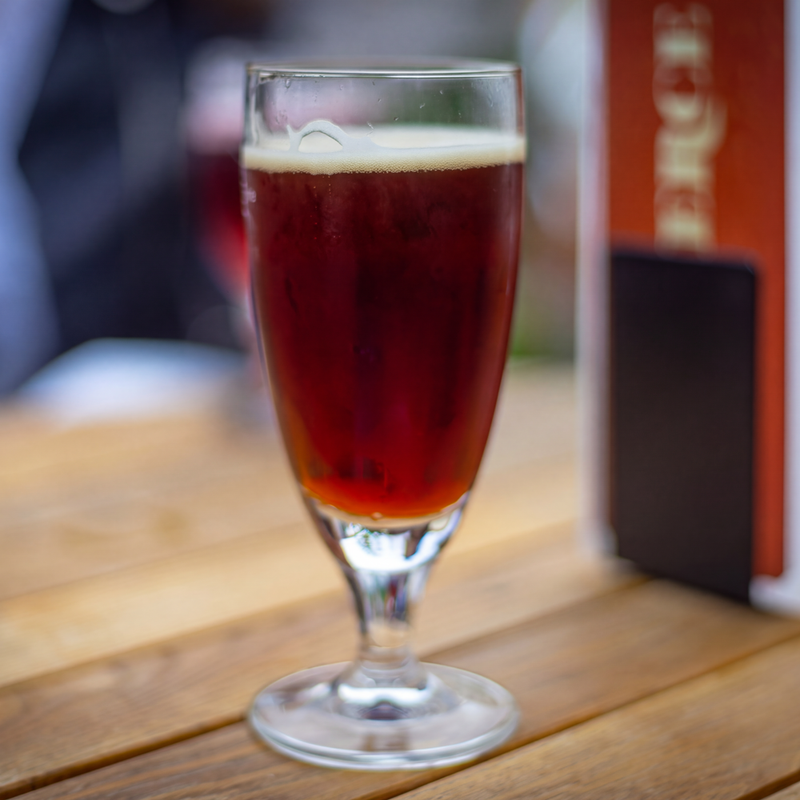
It is a reality of our melting pot society in the south seas that we blend northern hemisphere winter coded Christmas traditions with our southern hemisphere summer Christmas reality. Beer is no different with imported Belgian and British Christmas ales always selling well through December.
Should one want to get in on this fusion Christmas action oneself a Belgian Dubbel is a good way to go. These fruity spicy Belgian brown ales from the Trappist monastic brewing tradition are packed with old world Christmas flavours but are also relatively light in body and high in carbonation making them curiously well suited to summer drinking. In the same way, a Dubbel will pair as well with a Christmas mince pie and aged cheddar as it will with a seared porterhouse off the BBQ.
Of course, there is another reason a beer style developed by Christian monks is appropriate at Christmas.
Onto the brewing
Yeast
These beers are all about yeast character. Any characterful Belgian ale or Trappist ale yeast strain will produce good results. Avoid saison strains or any strain that is too attenuative, these beers need to be dry but also have an identifiable malt character. In the recipe I have opted for a blend of Mangrove Jacks M47 and Fermentis T-58. Temperature wise you are looking for assertive character without off flavours. A cooler fermentation will present more phenolic spice character while a warmer one will produce more fruity esters. Pitch between 18c and 20c and either allow to slowly rise to 25 for a full fruity ester profile or keep it restrained for more clove spice character.
Malt
A lager or ale base malt will suffice. I opt for a European lager malt in line with tradition but an NZ or English ale malt will do as well. A lightly Belgian style dark crystal malt, Weyerman Special W and a touch of Carafa II will give the beer dark colour and a little chocolate bread and brown sugar flavour. Traditionally these flavours and the colour would come predominantly from candi sugar. You can look at my dive into brewing sugars here (link please) and have a go making some if you like. In the recipe I have indicated 500ml of golden syrup with a tablespoon of molasses to bring some sugar character to the beer.
Hops
Not a lot and just at the start. This beer is all about yeast and malt/sugar.
That special something
While Dubbels are not usually spiced or flavoured you could add a little something festive. A light spicing in the boil with a little coriander and/or cinnamon or clove would work. Less is more here; you aren’t making pumpkin pie. Another idea like I have done in the sample recipe is a little desiccated (food processed) dried fruit like raisins and currents added to the end of the boil. You probably want to bag whole spices and dried fruit depending on your kettle outlet and cooling method.
Water
Aim for a balanced chloride to sulphate ratio, acidify with lactic, or phosphoric acid, or add some acid malt to keep get your mash to a PH of 5.2 – 5.4.
Mash
Belgian monastic brewers tend to utilise complicated step mashes traditionally to deal with under modified malt, to promote what the Belgians refer to as “digestibility” or attenuation and to help with head retention or “Belgian lace”.
However, you can still produce a world class Dubbel by doing a straight infusion mash and using the highly modified malts that we have at our disposal.
Digestibility
When the Belgian say digestible, they mean a beer that isn’t heavy and chewy. Whereas an all malt American or German beer might be heavy at this sort of strength the Belgian use of sugar and focus on mash and fermentation processes that dry the beer out and a high carbonation serving style make these beers lighter and easier to drink.
One note of caution, I have found some of the dried Abbey/Trappist style yeasts available have very impressive attenuation capabilities. Lallamand Abbaye as an example. When utilising mash profiles that aim for high attenuation and using a healthy pitch of these yeasts you can end up with overly dry beers.
Lagering
It is easy to think of beers brewed by monks as being a glimpse back to an ancient past using archaic techniques. In fact, monastic brewing as we know it developed through the 20th century and made use of all the technology and scientific advances as they happened. They also combined ale brewing with lager refrigeration advances. To smooth out the alcohols and esters a good long cold lagering is traditionally employed. If you can cold condition in a keg or other suitable vessel. Prime with fresh yeast and sugar when bottle conditioning.
Packaging
While it is totally fine to serve these beers from the keg traditionally the medium high carbonation and developing character is achieved by bottle conditioning. Aim for 3 volumes of CO2.
Christmas Dubbel - All Grain Recipe
Batch size: 23 litres
OG: 1.068
FG: 1.012
IBU: 24
ABV: 7.4%
Mash: 66.5°C for 60mins
Boil time: 60mins
Fermentation temperature: 19°C
Malt
6.00kg Pilsner Malt
0.30kg Special W Malt
0.05kg Carafa II Malt
Boil Ingredients
500g Golden syrup with 1 tblsn molasis
20g Pacific Jade Hops - Boil 60min
100g Raisins (Boil)
Yeast
1pkg Belgian Abbey Yeast
1pkg SafBrew T-58 Yeast